July 2026
cTn: Когда клетки сердца просят о помощи
Что такое cTn?
Кардиальный тропонин (cTn) относится к группе функциональных белков, расположенных внутри кардиомиоцитов, где они играют важную роль в поддержании сокращения сердца и его насосной функции. В клинической практике cTn дополнительно подразделяется на два кардиоспецифичных подтипа: кардиальный тропонин I (cTnI) и кардиальный тропонин T (cTnT). Оба являются уникальными для клеток сердечной мышцы и служат ключевыми биомаркерами повреждения миокарда.
При нормальных здоровых условиях эти белки находятся внутри неповреждённой мембраны кардиомиоцитов и не попадают в кровоток. В результате их уровень в крови здоровых людей остаётся крайне низким.
Что вызывает повреждение кардиомиоцитов?
Сердце является одним из органов организма с наибольшей потребностью в кислороде и имеет низкую устойчивость к стрессу. При гипоксии, воспалении, чрезмерной нагрузке или токсическом воздействии кардиомиоциты могут повреждаться или даже разрушаться.
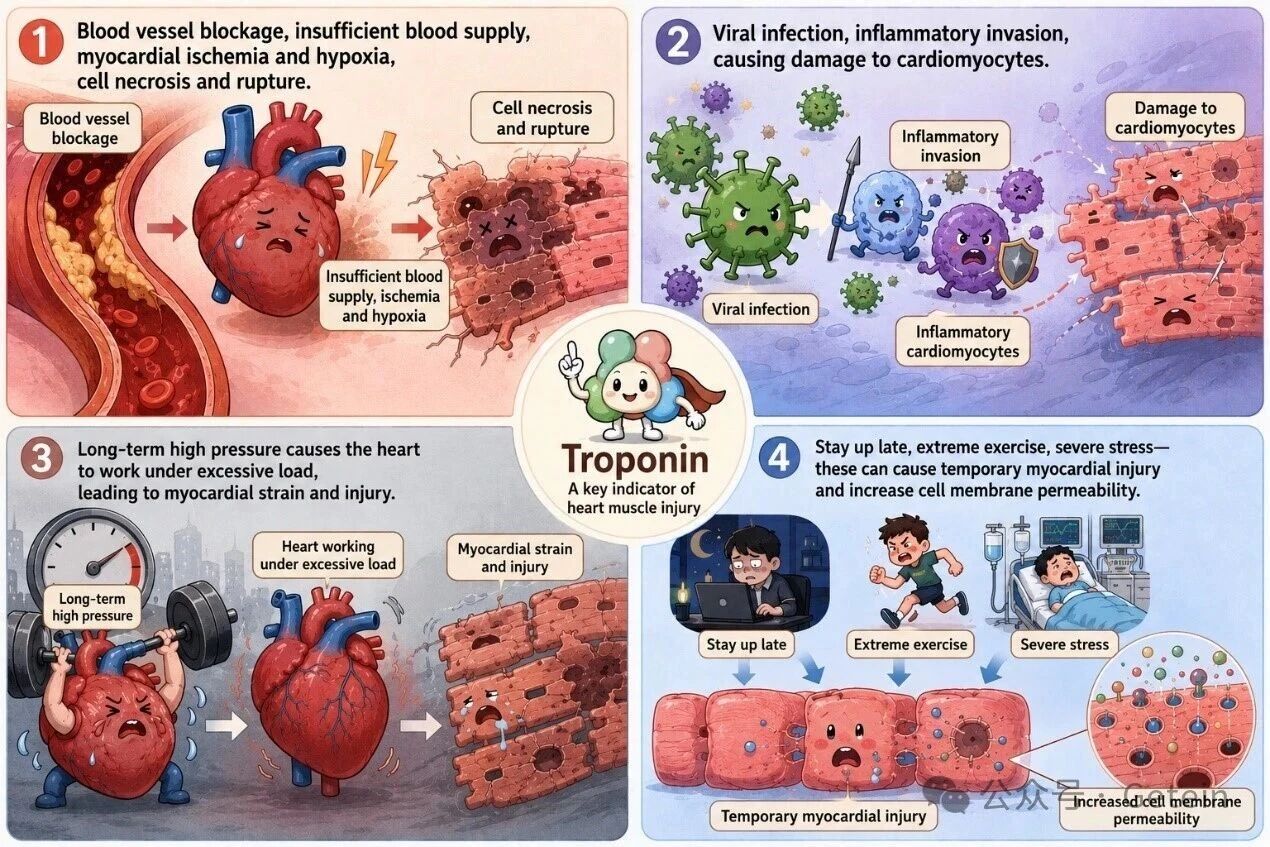
Поэтому при повреждении и разрушении кардиомиоцитов содержащиеся внутри белки cTn высвобождаются в кровоток, что приводит к повышению их уровня, который можно определить с помощью анализа крови.
Именно здесь cTn играет критически важную роль в диагностике и ведении пациентов с острым инфарктом миокарда (AMI) — широко известным как сердечный приступ. При AMI закупорка коронарной артерии прекращает кровоснабжение части сердца, что приводит к масштабному некрозу кардиомиоцитов и резкому повышению уровня циркулирующего cTn. Помимо диагностики, тестирование cTn также необходимо для принятия решений о лечении и оценки прогноза у пациентов с AMI. Современные международные рекомендации рекомендуют cTn как предпочтительный биомаркер для диагностики AMI.
cTnI и cTnT в клиническом применении
В клинической практике кардиоспецифичные маркеры повреждения подразделяются на два типа: cTnI и cTnT. Для пациентов эти два маркера выполняют практически одну и ту же функцию — оба указывают на повреждение миокарда. Их различие становится важным только тогда, когда врачи интерпретируют результаты в диагностических целях.
Ключевые различия заключаются в специфичности и временном окне обнаружения.
Кому следует контролировать уровень cTn?
Решения для тестирования cTn на FIA и CLIA
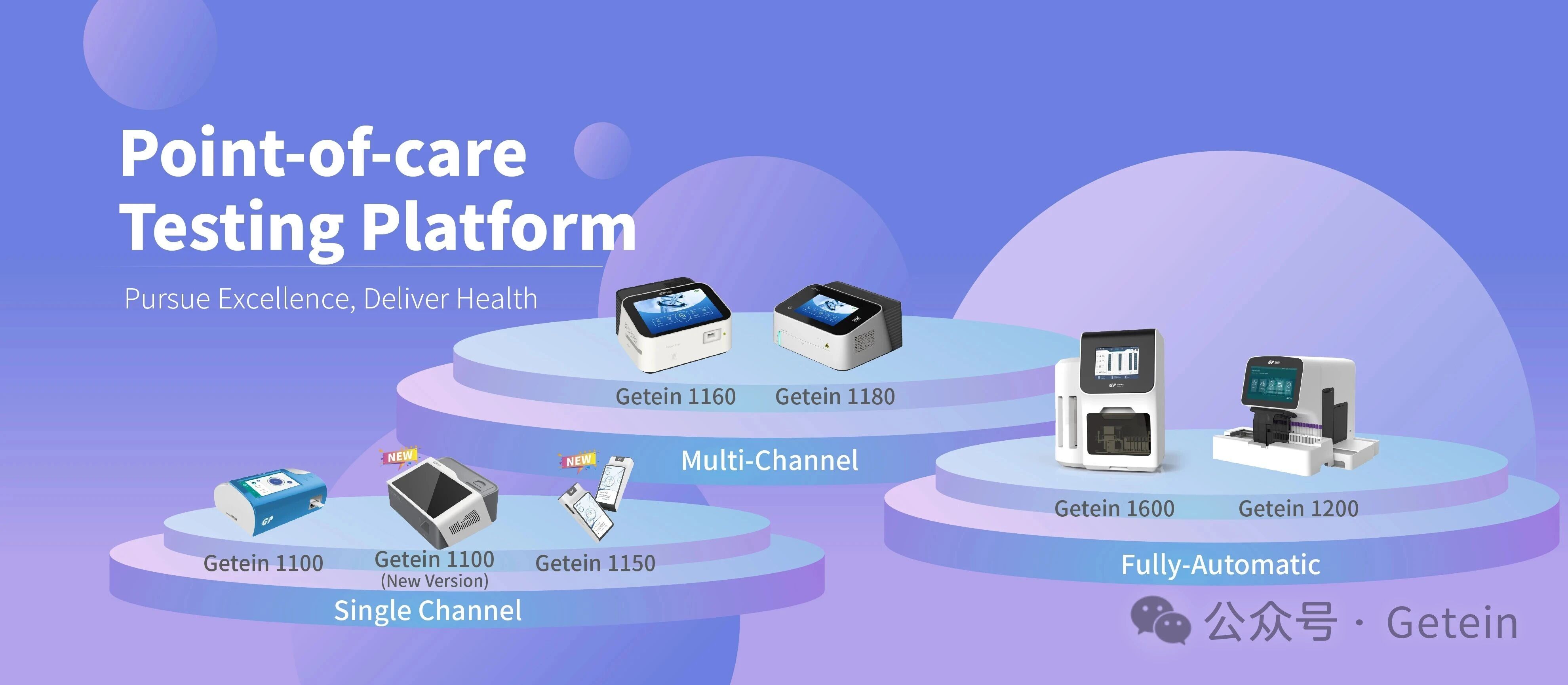
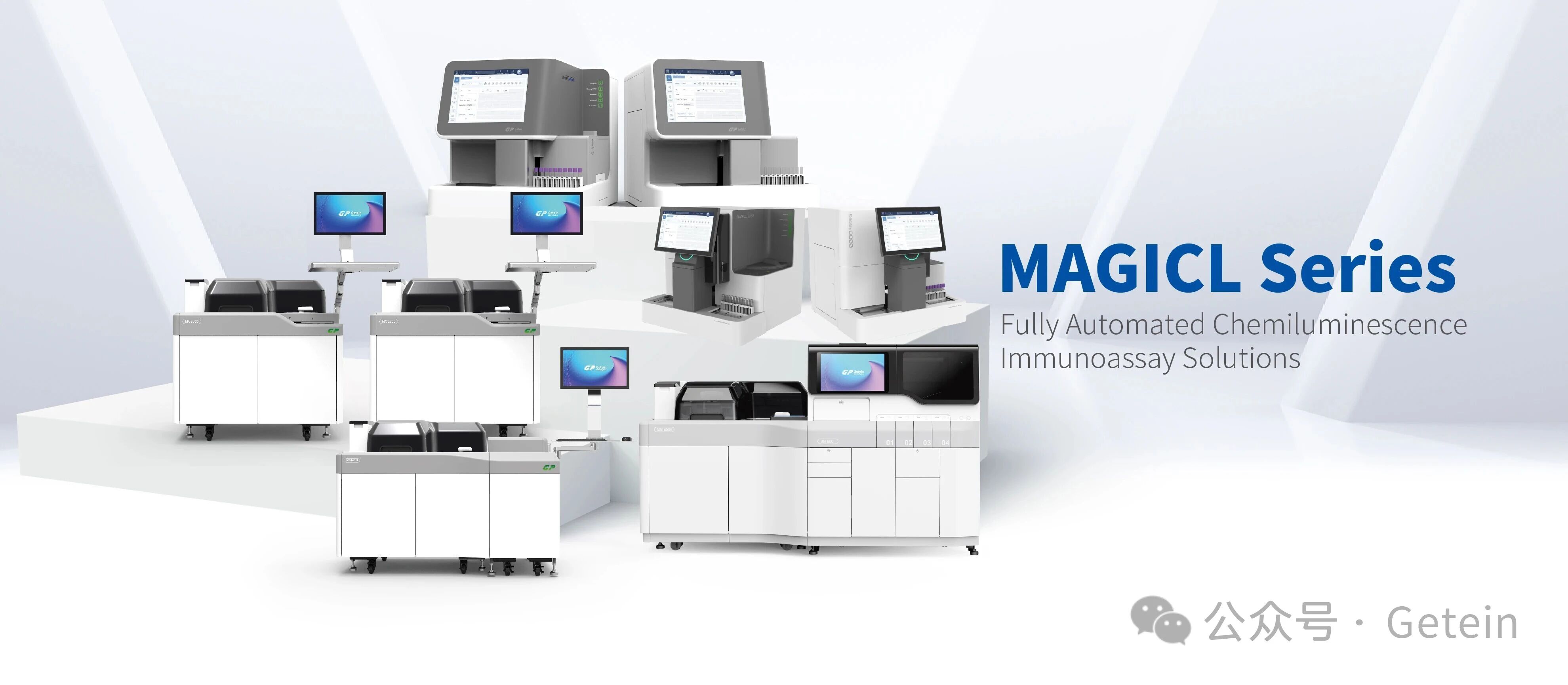
Getein предлагает комплексное тестирование сердечного тропонина, включающее cTnI,cTnT,hs-cTnI, и hs-cTnT, с надёжными характеристиками на различных платформах для удовлетворения разнообразных клинических потребностей. Наши платформы поддерживают образцы цельной крови,сыворотки, и плазмы, обеспечивая получение высокочувствительных результатов определения тропонина всего за 10 минутпри флуоресцентном иммуноанализе (FIA) и 12 минутпри хемилюминесцентном иммуноанализе (CLIA). Для CLIA предел обнаружения (LOD)достигает 1 пг/мл, обеспечивая исключительную чувствительность для ранней диагностики. Все реагенты — как стандартные, так и высокочувствительные — разрабатываются компанией Getein самостоятельно, что гарантирует стабильное качество и надежные поставки для ваших долгосрочных диагностических потребностей.

откройте wechat и отсканируйте QR-код. оставайтесь с нами.