June 2026
Эхо туберкулёза в вашей иммунной системе: понимание TB-IGRA
I. Болезнь, которая никогда не исчезала
Туберкулёз (ТБ) — одно из старейших и наиболее устойчивых инфекционных заболеваний в мире, ежегодно вызывающее более 10 миллионов новых случаев и 1,3 миллиона смертей. Он в первую очередь поражает лёгкие, но может распространяться через кровоток к костям, почкам, мозгу и лимфатическим узлам. Главная сложность: инфекция ≠ заболевание. Около четверти населения мира являются носителями Mycobacterium tuberculosis без симптомов и без способности заражать других — это состояние известно как латентная туберкулёзная инфекция (ЛТИ). Однако при ослаблении иммунитета — из-за старения, диабета, ВИЧ или иммуносупрессивной терапии — неактивные бактерии могут реактивироваться, вызывая активный туберкулёз.
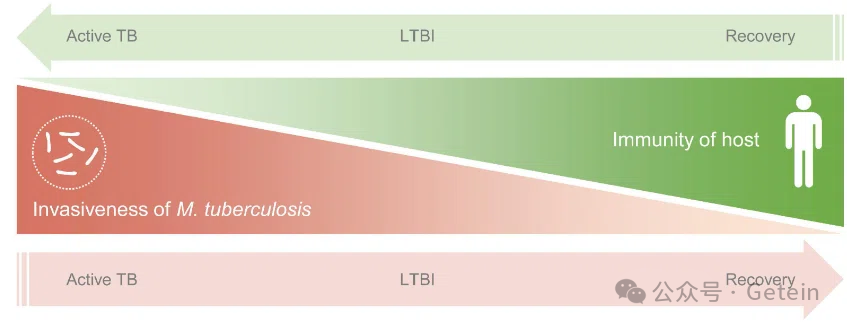
Таким образом, современный контроль туберкулёза заключается не только в выявлении активных случаев, но и в определении тех, кто является носителем бактерии и находится в группе будущего риска. Для этого нужен инструмент, который обнаруживает иммунную память о туберкулёзе, а не саму бактерию. Этим инструментом является TB-IGRA.
II. Что такое TB-IGRA?
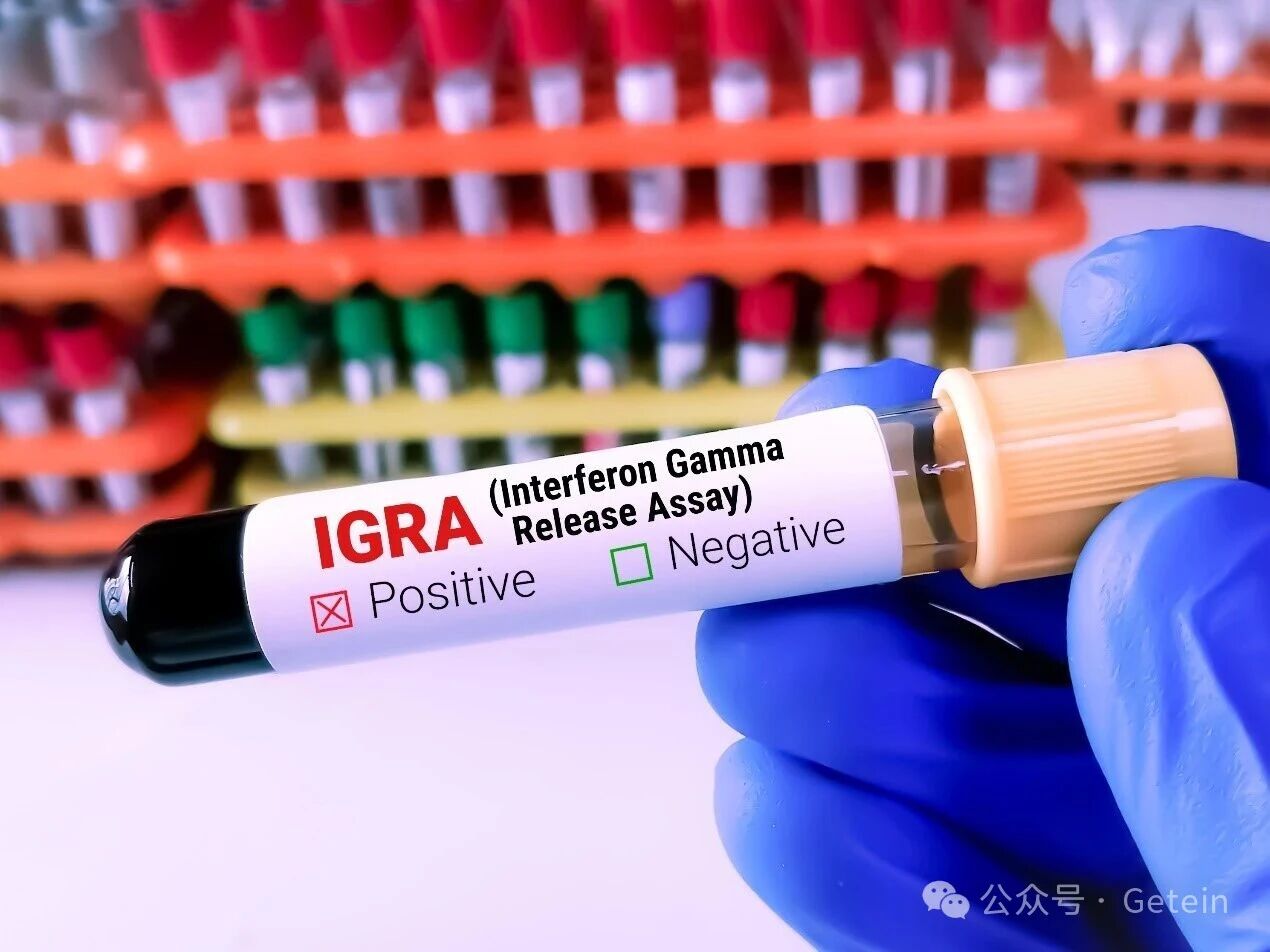
TB-IGRA (анализ высвобождения интерферона-гамма при туберкулёзе) — это анализ крови, который не ищет саму бактерию, а определяет, сталкивалась ли ваша иммунная система когда-либо с туберкулёзом. Во время теста образец крови стимулируется специфичными для туберкулёза антигенами. Если Т-клетки распознают эти антигены, они высвобождают интерферон-гамма (IFN-γ), количество которого затем измеряется. Результат выше порогового значения является положительным; ниже — отрицательным.
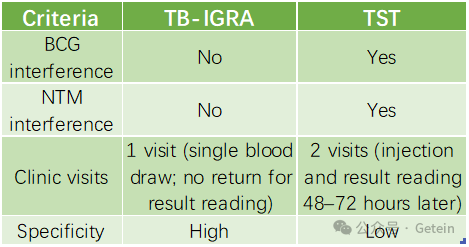
Его ключевое преимущество перед традиционными кожными тестами (TST) заключается в том, что используемые антигены отсутствуют в BCG и большинстве нетуберкулёзных микобактерий (NTM), что делает TB-IGRA более специфичным и надёжным. Кроме того, требуется только один забор крови без необходимости повторного посещения, что позволяет избежать ложноположительных результатов, вызванных вакцинацией BCG.
III. Приоритетные группы для выявления TB-IGRA
TB-IGRA в первую очередь рекомендуется для следующих групп высокого риска:
①Близкие контакты пациентов с активным туберкулёзом (особенно лица, проживающие с ними в одном доме);
②Пациенты, которым предстоит начать иммуносупрессивную терапию (например, ингибиторы TNF);
③Кандидаты на трансплантацию органов или стволовых клеток;
④ВИЧ-положительные лица;
⑤Иммигранты из стран с высокой распространённостью туберкулёза.
IV. Клиническое значение TB-IGRA
Ключевые клинические применения TB-IGRA включают следующее:
Помощь в диагностике активного туберкулёза: когда у пациента имеются симптомы или результаты визуализационных исследований, указывающие на туберкулёз, но мазок мокроты отрицательный, положительный результат IGRA может поддержать клиническое подозрение.
Руководство при принятии решений о профилактической терапии: положительный результат указывает на инфекцию, но не позволяет отличить латентный туберкулёз от активного. Решение о начале профилактической терапии должен принимать врач с учётом возраста, иммунного статуса и сопутствующих заболеваний.
Исключение инфекции: у людей с нормальным иммунитетом отрицательный результат практически исключает туберкулёзную инфекцию, предотвращая ненужное обследование и беспокойство.
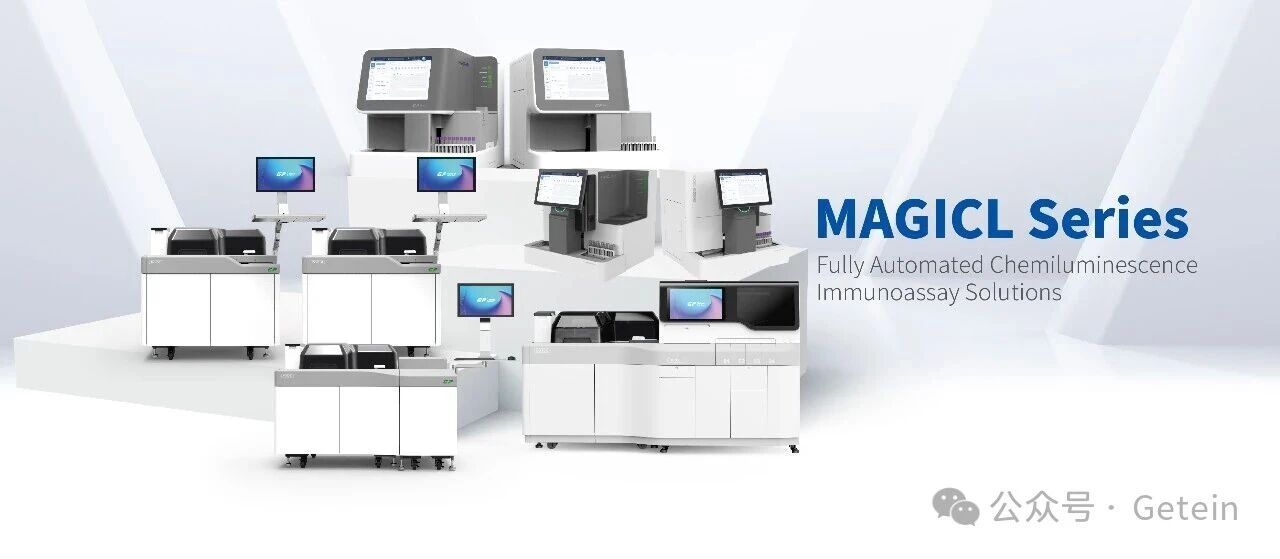
Наше решение для выявления TB-IGRA


откройте wechat и отсканируйте QR-код. оставайтесь с нами.