April 2026
Введение
Уровень HbA1c эффективно отражает средний уровень глюкозы в крови за последний период. Тест на HbA1c имеет большое значение в лечении диабета, поскольку помогает врачам оценить долгосрочный контроль уровня глюкозы в крови у пациентов и снизить риск осложнений. В этой статье мы объясним, что означает HbA1c и каково значение теста на HbA1c. Мы также покажем, какие меры можно предпринять для снижения уровня HbA1c, если он слишком высок, и представим решения Getein для определения HbA1c.
Что такое HbA1c?
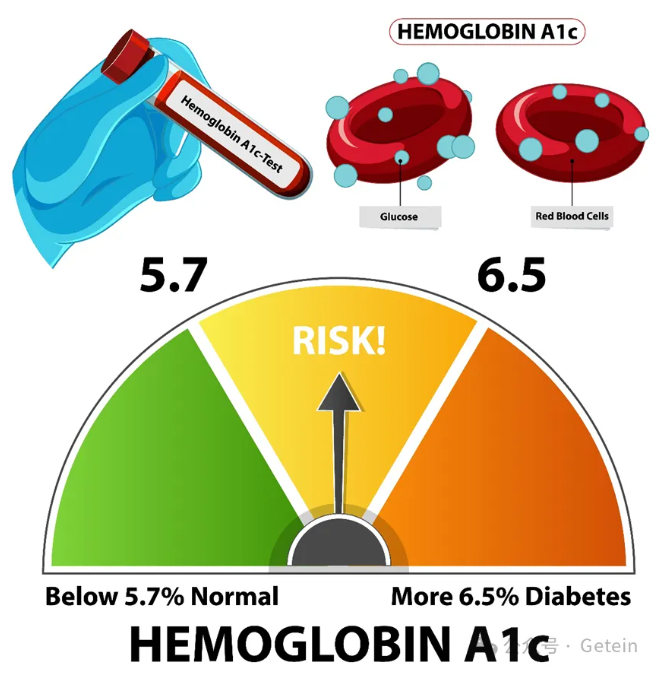
HbA1c — это продукт, образующийся в результате неферментативной реакции между гемоглобином в красных кровяных клетках и углеводами (в основном глюкозой) в сыворотке крови. Гемоглобин — это вещество внутри красных кровяных клеток, которое доставляет кислород к клеткам организма. Глюкоза в крови обычно присоединяется к гемоглобину, этот процесс известен как гликозилирование, и полученный гликированный гемоглобин называется гемоглобином A1c или HbA1c.
Почему анализ HbA1c важен?
Анализ HbA1c — это анализ крови, измеряющий средний уровень глюкозы в крови за последние три месяца. Результаты выражаются в процентах — чем выше процент, тем выше средний уровень глюкозы в крови. Нормальный уровень HbA1c составляет менее 5,7%. В клинической практике уровень HbA1c 6,5% или выше обычно считается ключевым порогом для начала лечения или корректировки схемы лечения.
Концентрация HbA1c в крови связана с продолжительностью жизни эритроцитов (в среднем 120 дней) и концентрацией сахара в крови за тот же период. На нее не влияют суточные колебания уровня сахара в крови, а также физические упражнения или пища. Поэтому тест на HbA1c играет жизненно важную роль в лечении диабета. Он используется для скрининга и диагностики диабета, помогает прогнозировать риск развития диабета и его осложнений, являясь надежным инструментом для оценки долгосрочного контроля уровня глюкозы в крови.
Как контролировать уровень HbA1c в пределах нормы?
Уровень HbA1c отражает средний уровень глюкозы в крови за последние 3 месяца, и для его эффективного снижения необходимы комплексные меры. Для снижения уровня HbA1c вы и ваш врач можете разработать план лечения, включающий корректировку диеты, регулярные физические упражнения и контроль приема лекарств.
л Скорректируйте структуру рациона питания.
Принимайте пищу небольшими порциями в течение дня.
Контролируйте потребление углеводов и выбирайте продукты с низким гликемическим индексом (ГИ).
Сократите потребление добавленного сахара и обработанных продуктов.
л Увеличьте частоту физических упражнений.
Еженедельно уделяйте не менее 150 минут аэробным упражнениям умеренной интенсивности, таким как быстрая ходьба или езда на велосипеде.
Используйте свободное время для физической активности и избегайте длительного сидения.
л Принимайте лекарства строго по назначению врача.
Принимайте противодиабетические препараты вовремя.
Регулярно контролируйте уровень HbA1c для оценки эффективности лечения.
Решения Getein для анализа HbA1c
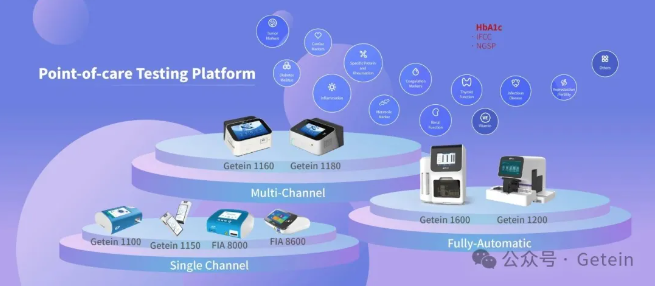
Платформа POCT
Платформа CLIA

Платформа клинической химии


откройте wechat и отсканируйте QR-код. оставайтесь с нами.